This week, Hestia Town Planning secured Planning and Listed Building Consent for a change of use from Grade II Listed offices (B1) to a House in Multiple Occupation (HMO) (Sui-Generis) in a conservation area. Usually, the conversion of offices to residential is a relatively straightforward process. However, when changing the use of a listed building, it is a whole other ballgame.
If you have a listed building and are considering changing its use, then please get in touch to discuss your proposals with a specialist consultant.
What is a Listed Building?
Listing marks and celebrates a building’s special architectural and historic interest, and also brings it under the consideration of the planning system, so that it can be protected for future generations.
Due to the importance of listed buildings, it mean there will be extra control over what changes can be made to a building’s interior and exterior. Owners will need to apply for Planning Permission with Listed Building Consent for new buildings, major alterations to existing buildings and to change the use of listed buildings or land.
How do I find out if a property is listed?
The National Heritage List for England (NHLE) contains details of all listed buildings in England. To find out if a property is listed just search The List.
Heritage Assessment
In every case, the Local Planning Authority will want to see some form of heritage assessment. Heritage impact assessment is a structured process to make sure that you take the significance of your historic asset into account when you are developing and designing proposals for change.
For this particular case, we were required to conduct a site visit and produce a full, detailed heritage assessment.
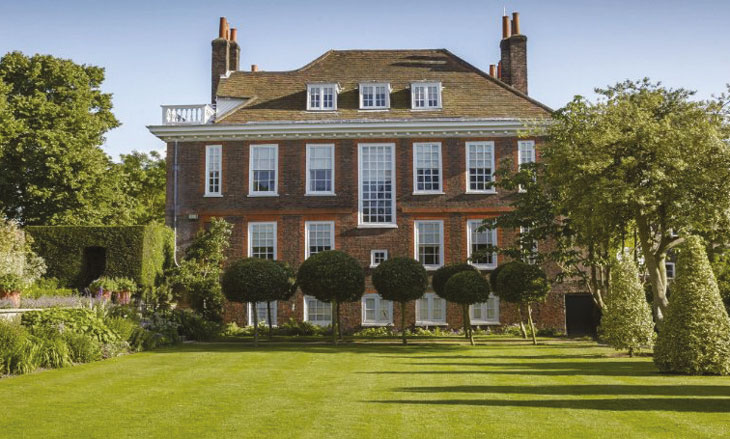
When we are dealing wth a listed building, it is important to note that we are dealing with the whole building, not just the façade or some other obvious heritage feature. If it is a listed building, there is a host of things that might be covered: hidden elements such as floor joists or internal fabric for instance, which may not be regarded as important.
Something that is often overlooked, is the importance of the buildings layout. The layout of a historic building is valuable because it tells the history of how the building was used when first built, and how it might have changed over time. There is a misconception, that providing the external elements remain intact and and obvious historical internal elements, that the internal layout of a building can be altered. This is not always the case.
In this instance, the many rooms that made up the offices for the current B1 Use Class were perfect to accommodate rooms required for a HMO (with some clever designing). We were able to negotiate some very minor internal changes on the basis that upon removal of the internal fabric, a Conservation specialist was present to record and document any finds.
Given that the offices had been vacant for some time and that there was a strong need for single occupancy in the area. We were able to make a strong case that a HMO would be the optimum viable use of the site.
 Hestia Town Planning