One of the most common questions we’re asked by homeowners is: “Do I need planning permission for this?”. This article lists 12 projects you can undertake without needing approval from the local planning authority.
In some instances you’ll need planning permission, for example, if you want to build a huge extension or knock down a house and rebuild. But there are many improvements that can be done without permission from your local authority.
There are limitations to these rights, especially if you live in a designated area or a listed building, or if you have already made considerable alterations to your home. It is always advisable to check before starting any work to avoid issues.
It is also important to note that obtaining planning permission is not as complicated or expensive as you may think. So do not compromise on your projects design because you are trying to avoid the planning permission route.
For an extension to your home, we generally, charge £1150 for everything needed to get you planning permission. Our turnaround is 1-2 weeks (most companies are 4 weeks) and we also include the technical specification drawings required for construction. Most importantly, our architects offer an unlimited amendment service free of charge (rather than charging after the first amendment like many others do).
Listed below are smaller home improvements that you’re likely to be able to complete under Permitted Development (PD).
1. Porch
As long as your new porch conforms with the below criteria, you don’t need planning permission:
- The ground area does not exceed 3m² (measured externally)
- No part of the porch can be taller than 3m
- It cannot be within 2m of any boundary adjacent to a highway
2. Converting a loft
In most areas of the UK, you won’t need planning permission as long as the loft conversion is no higher than the highest part of the roof and a similar material to the rest to the house is used.
Of course any form of loft conversion idea that goes beyond your permitted ceiling space does require permissions, so check before you embark on any ambitious bungalow extension ideas. If you live in a designated area such as a national park or World Heritage Sites you will not be allowed a roof extension.
If you live in a terraced house the conversion can have a volume allowance of 40 cubic metres of additional space. Detached and semi-detached houses can have an extra 10 cubic metres on top of this. However, the roof enlargement can’t hang over the outer wall of the house.
PD also allows for the construction of dormer windows, for additional headroom. But they must not extend forward of the roof plane on the principle elevation, or sit higher than the highest part of the existing roof.
3. Garage Conversions
Converting an attached building, such as an integral garage, into living space falls under PD as you are not increasing the overall footprint of the building. If you’re converting a standalone garage, you will need to apply for a change of use under Building Regulations.
4. Single-storey extension
If you stay with the below parameters, you can build a single-story extension without planning consent:
- You can extend a detached property by 8m to the rear if it’s a single-storey extension (6m for a semi or terraced house), or by 3m if it’s double
- A single-storey extension can’t be higher than 4m on the ridge and the eaves, and ridge heights of any extension can’t be higher than the existing property
- Two-storey extensions must not be closer than 7m to the rear boundary
- Side extensions can only be single storey with a maximum height of 4m and a width no more than half of the original building
- Any new extension must be built in the same or similar material to the existing dwelling
- Extensions must not go forward of the building line of the original dwelling
- In designated areas (such as areas of outstanding natural beauty, conservation areas, etc), side extensions require planning permission and all rear extensions must be single storey
- An extension must not result in more than half the garden being covered.
5. Conservatory
Similar to single storey extensions, conservatories and orangeries can be added under PD, following the same restrictions.
6. Two-storey extension
Under PD, you can add a two-storey extension to your home, as long as it is at the rear of the dwelling. In addition, it must not exceed 3m in depth or be within 7m of the rear boundary.
7. Cladding
Cladding will usually fall under PD, but is not permitted under PD on any dwelling house located on Article 1(5) land which includes special areas such as a National Park, AONB, World Heritage Site or Conservation Area.
8. Solar panels
Solar panels can be added under PD. Just ensure they do not protrude more than 200mm beyond the place of the wall or roof, and the highest part of the panel isn’t higher than the highest part of the roof (excluding chimney).
Free-standing panels can also be developed, but are limited in size.
If you are in a Conservation Area or listed building then limitations will apply.
9. Basement
Basements may be PD under Class A of the General Permitted Development Order (GPDO). However, PD does not allow for engineering works.
10. Parking spaces
If you need to drop your curb then you will need consent from the local planning authorityParking areas are permitted under PD providing that:
- Any hard surface situated between the principle elevation of a dwelling and the highway, or any surface which exceeds 5m², is made of porous materials
- Provisions are made to direct run-off water from the surface within the property curtilage and not onto the highway
11. Swimming Pool
You can build a swimming pool within your garden, provided that the total area covered by the pool does not exceed 50% of the area of the garden curtilage.
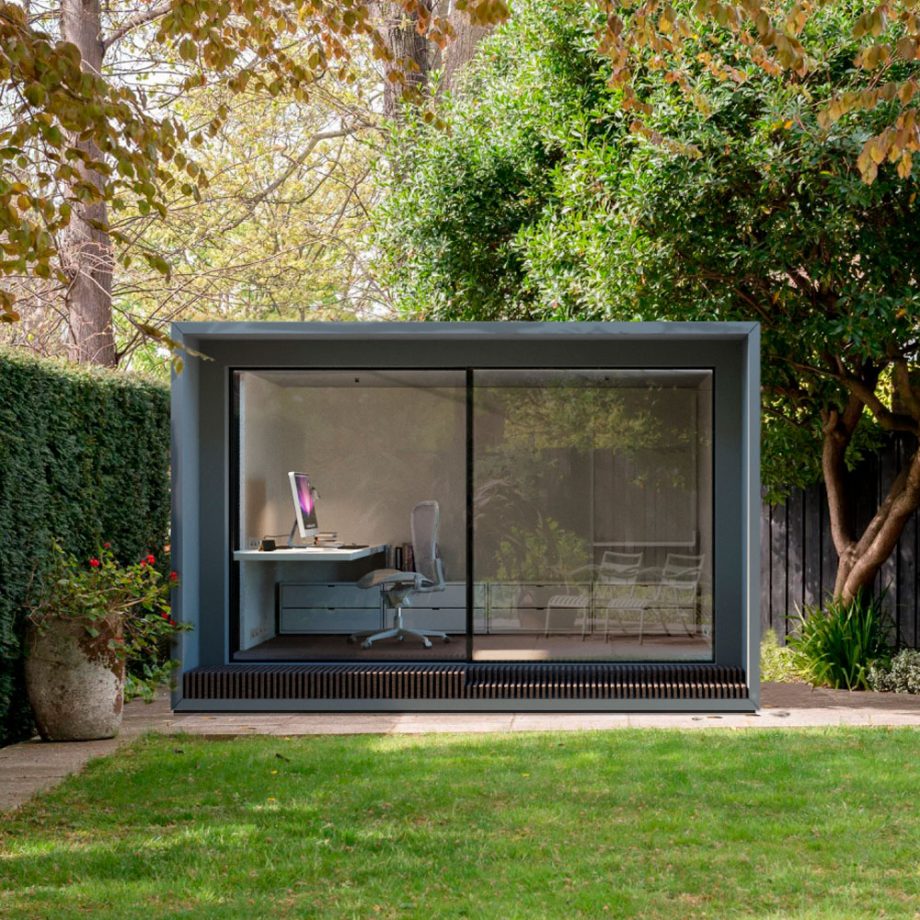
12. Shed or outbuilding
Providing the total area covered by multiple outbuildings does not exceed 50% of the total area of the curtilage, these may be built under PD. This 50% should take into account any extensions, but not the area covered by the main house. Here are some restrictions:
- Outbuildings cannot sit forward of the principle elevation
- Outbuildings can only be single storey, with the maximum eaves height remaining at 2.5m
- There are height restrictions depending on the type of roof
- Outbuildings under PD cannot be used for residential accommodation, but can be used to work from home
 Hestia Town Planning