Planning Permission
Guiding you through the planning jungle

Obtaining planning permission from a local planning authority is not always as straightforward as it seems. Planning applications often require specialist knowledge in interpreting local and national planning policies.
It is always best to speak to a planning consultant as early on as possible. An architect will be able to help with design issues but a planning consultant will have the necessary planning experience -especially with complicated projects.
Legislation is continually changing, meaning that obtaining planning permission can be a minefield.
The planning system is a complex and ever-changing system with numerous stakeholders and agendas. The first thing to do with any project, is to establish whether it requires planning permission There are many different applications to choose from – speak with us and let us help you make the right decisions from the very beginning.
Having us by your side will make the process run as smoothly and cost-effective as possible.
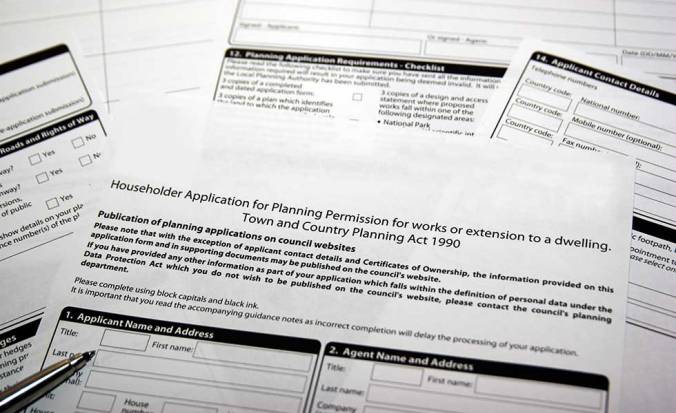
Applications
Which application is right for you?
Householder planning consent
Full planning consent
Outline planning consent
Reserved Matters
Listed building consent
Advertisement consent
Lawful Development Certificate (LDC)
Prior approvals
Removal/variation of conditions
Approval (Discharge) of conditions
Consent under Tree Preservation Orders
Notification of proposed works to trees in conservation areas
Non-material amendment of an existing planning permission
Retrospective planning
Sometimes your planning application will require the input from other specialists. We work closely with other specialists who will be able to support your application or appeal if necessary. This joined-up approach will ensure your application has every chance of success.

Specialists
We can source the following specialists:
Barristers
Architects
Highway Consultants
Flood Risk Consultants
Air Quality Consultants
Acoustic Consultants
Heritage and Conservation Consultants
Geotechnical and Ground Contamination Consultants
Ecologists
Sustainability Consultants
Arboriculturists
Landscape Architects
Visualisers
We work with individuals, developers, land-owners, builders, architects, statutory consultees and planning authorities making sure you get the best help and advice.
We are experienced in a wide range of sectors and are always happy to talk you through your project – no matter how small or big.

Sectors
We have wide expertise in a number of sectors:
Commercial and industrial
Mixed-use and retail
Leisure and hotels
Residential
Community and education
Historic buildings and conservation
Agricultural and equestrian
Greenbelt and rural development
The planning system is very complicated and is forever changing. Hestia Planning understands the nature of the planning system and can assist in explaining and simplifying the process.
When appointed our main service will be acting as planning agent for the preparation and submission of your planning application.
Generally, this service will include the following five stages:
Stage 1 – Desktop Appraisal
Property History Research;
Constraints and risk assessment;
Development Plan Policy Research, setting out requirements on the development proposal;
‘In-Principle’ assessment as to whether desired development is achievable; and
Provision of Planning Strategy to maximise the best chance of success.
We understand that one size rarely fits all, which is why our bespoke approach will ensure your planning application has the best possible chance of success.
Stage 2 – Pre-application
Providing initial advice on using the Council’s pre-application service;
Writing a Cover letter to Local Planning Authority (LPA) coving the main issues requiring a response and position;
Completing the appropriate pre-application forms and handling submission to the LPA;
If required/available, meetings with the LPA to discuss and debate the merits of the proposal;
Arranging and facilitating community events/speaking with parish councils (if required) and
Provide a commentary on the LPA pre-application response, with an analysis of opportunities and areas that could be challenged.
We have worked on schemes across the UK and have built good relationships with many local authorities along the way.
Stage 3 – Pre-submission
Providing advice on plans;
Recommending and sourcing quotes for necessary professional reports;
Co-ordinating relevant professionals to prepare a suitable scheme;
Writing a Planning Statement supporting the scheme against planning policies and material planning considerations;
Including a Design and Access Statement (if necessary) into the Planning Report;
Providing advice on, and preparation of appropriate CIL forms required for submission; and
Preparing application forms and handling the submission to the LPA.
Local authorities have strict planning application validation requirements, meaning delays if you do not submit all of the documentation required
Stage 4 – Planning Submission
Dealing with Validation matters arising from submission;
Acting as liaison and point of contact with the LPA;
Weekly checks of LPA website during statutory consultation, to review and rebut objections and comments made;
Negotiate appropriate conditions to overcome any issues raised with the LPA;
Negotiate amendments to the proposals to avoid refusal (if appropriate to do so);
Liaise with instructed professional consultants to make agreed amendments, ready from submission to the LPA; and
Speaking at Planning Committee (if required).
If planning is refused for a project then it can be an uphill battle to get the decision overturned. It is therefore important to engage with us at the start of the process.
Stage 5 – Post Determination
Discharging planning conditions
Amendments to the proposal (if required)
Our job is not over once you have received your consent. We are able to assist with discharging or amending planning conditions. If you have changed your mind about a certain element of the scheme, then we can arrange for this to be amended.

 Hestia Town Planning