I want to convert my loft but I have bats – can I still convert it?

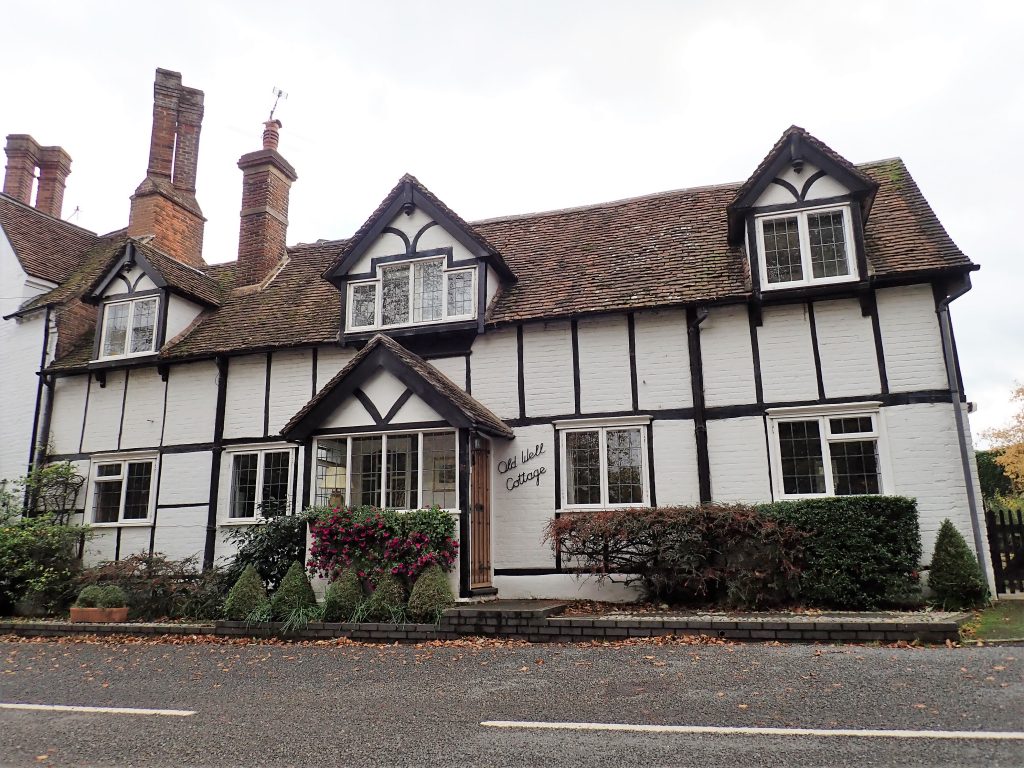
We had a question this week relating to bats. In this instance, it was in relation to how a bat may impact on a proposed loft conversion, however, those who have other outdoor structures on their property, such as a shed or a garage, are also susceptible to a bat infestation.

So, will the presence of bats put a stop to your building plans?

The short answer to this question is – usually – no. However, discovering bats will cause some delays and incur additional costs.

If you’re worried that bats may impact your building work then please contact us and we can put you in contact with a professional ecologist and advise you on the best way forward for your loft conversion or building works.

Why are bats important?

Whether you love or loathe bats (personally we find them cute!), they are one of the protected species listed under the Wildlife and Countryside Act 1981, which means you can’t:

Kill, injure, or remove a bat;

Own or control a living or dead bat, or anything derived from a bat;

Intentionally or recklessly damage, destroy, or obstruct access to any area used as shelter or protection by a bat, for example, build a loft conversion where they roost;

Intentionally or recklessly disturb a bat when it’s occupying a structure or place i.e. a loft space or garage.

I think I have bats, what should I do?

If you suspect have bats, you should consider commissioning a bat survey before you apply for planning permission for any proposed building work. You will need to consult your local planning officer about how you will conserve or rehome the bat colony. 

Also note, that a bat survey will be required if there is ‘a reasonable likelihood’ of bats being present. This means that even if you do not suspect bats – if your building has certain characteristics (for example, is agricultural or within 400m of water), the local authority will want to rule out the presence of bats.

Do not try you deter the bats away from your property. Many of the tactics used by the average homeowner only serve to make the bats angrier and cause them to dig in their heels, so it is important to always consult a professional.

Do you definitely have bats?

If you think that you may have bats then under no circumstances try to investigate yourself. Only a fully trained and licensed professional can conduct a bat survey. If you do try to investigate yourself, then you could be committing an offence by disturbing the bats.

Unlike other animals, bats are a little harder to identify as they do not leave many obvious clues. If you suspect a bat, then look and listen for the following clues:

  • A regular ‘chattering’ or noise around dusk;
  • Sightings of bats (dead or alive);
  • The scent of ammonia or unexplained odours;
  • Stained holes (Once they have pinpointed an enter/exit point, the hole will become stained with black resin);
  • Bat droppings in your loft;
  • The remnants of dead insects (bats don’t tend to eat the wings)
  • Scratch marks near entry points

What will the bat survey involve?

Bat surveys cost in the region of £1000 and only be carried out between May and October (when they are not in hibernation). The local planning authority will only accept surveys conducted by a licensed professional.

There are two stages to bat surveys; first the preliminary survey to assess the likelihood of bats being present. If this survey does not conclusively rule out the presence of bats then a second, full survey will be required.

My survey has concluded that I have bats. What happens now?

Don’t panic. A professional will be able to advise whether it is possible to rehome the bats. This will involve applying for a mitigation licence, setting out what building work you plan to carry out and how you will protect the bats in the process. Once the local planning authority are given the thumbs by Natural England, that your proposed mitigated measures are acceptable, then you are good to go (subject to your other planning regulations of course).
Do I apply for full or outline planning consent?

Difference between Outline and Full Planning Permission

When you are applying for Planning Permission for a large project, you normally have two options: go for Full Planning Permission or apply for Outline Planning Permission. 

In this blog, we discuss the main differences and why one application type may be favoured over another. However, we recommend that you don’t decide whether to go for outline or full planning permission for sure until you’ve talked to your architects and planners.

Full planning permission

By submitting a Full Application, you are seeking complete approval for the design of your proposal (including the amount, scale, layout and appearance of the development, as well as any landscaping) and the proposed access arrangements. You will need to submit a full suite of documents and drawings along with your application.

The decision should be made within 13 weeks for major projects and eight weeks for smaller projects.

Why choose full planning permission?

If you are not intending on selling the land on and have the time, the funds in place and a clear sense of what it is that you want to build, then full planning permission is usually recommended.

Outline planning permission

Outline planning permission is much less detailed than full planning permission. By applying for it, you are asking the local planning authority to agree to the principle of development – with the specifics (called “reserved matters”) put aside until later.

As with a full planning application, the decision should be made within 13 weeks for major projects and eight weeks for smaller projects.

If your application is successful, you normally have three years to apply for approval for the details (“reserved matters”). Then within two years of the approval of the most recent reserved matter application, you need to start building.

Why choose outline planning permission?

The submission of an Outline Application is sometimes preferable if you wish to obtain Permission but you do not wish to build the development yourself, where the proposal is for major development, or where it is not prudent to submit a Full Application due to financial constraints.

As you are only asking whether the principle of development is acceptable, it means that time and money is spent on this, rather than, everyone wasting time debating the details of something that may never be permitted. This means that Outline Planning Permission is often a cheaper and faster alternative to Full Planning Permission. However, it all comes down to what the clients individual situation is.

At Hestia Town Planning, we use this route most often for land owners who want to sell land on with a guarantee that housing can be built, but without committing the new owners to constructing a specific type of house or scheme. This route is often appealing to the Client as it can take as little as three months and if Permission is granted then the land can often be eight times more valuable. The client sells the land on at a profit, leaving the new owner to refine and apply for the additional details at Reserved Matters stage. 

Another advantage of Outline Planning Permission is that the Community Infrastructure Levy is not payable when you are granted outline planning permission. This is all left to the new owner.

If you would like us to help you with your project, whether you want to go for outline planning permission, full planning permission or use permitted development rights, please don’t hesitate to get in touch. 

Did you know that you can apply for planning permission on land that doesn’t belong to you?

You do not have to be the owner of land in order to make a planning application.

If you are not the owner, you will simply have to formally inform that person of your intention to submit an application. This is required under Part 13  and Schedule 2 of the Town and Country Planning (Development Management Procedure) Order 2015.

Who owns the planning permission?

If you are able to obtain planning permission on land which does not belong to you, the Permission relates to the land rather than the Applicant or Owner, therefore anyone could implement it. This means, if permission is granted, the land owner could implement it themselves or sell up to someone else even though you have paid for the application.

Why apply for planning permission on someone else’s land?

The answer to this is simply for speed and assurance that certain works can be undertaken before committing to a purchase. Obviously, there is an element of risk that the owner may not sell to you afterwards and we would always recommend entering into a well-drafted conditional contract. This will commit both sides to the deal, while allowing time to sort out the practicalities and retaining the right to walk away if things do not fall into place as intended.

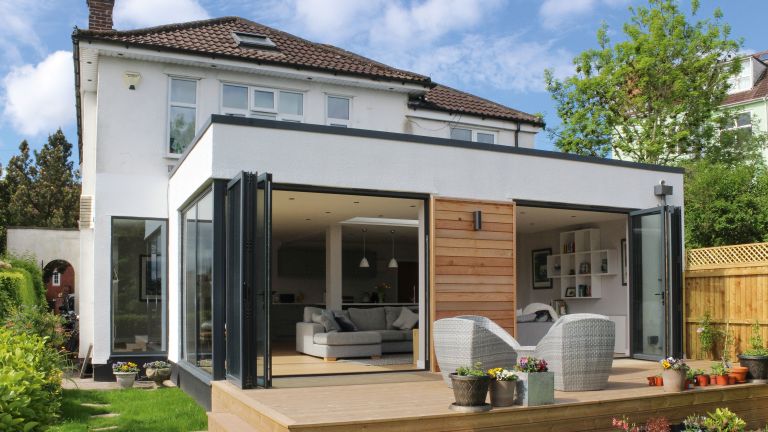
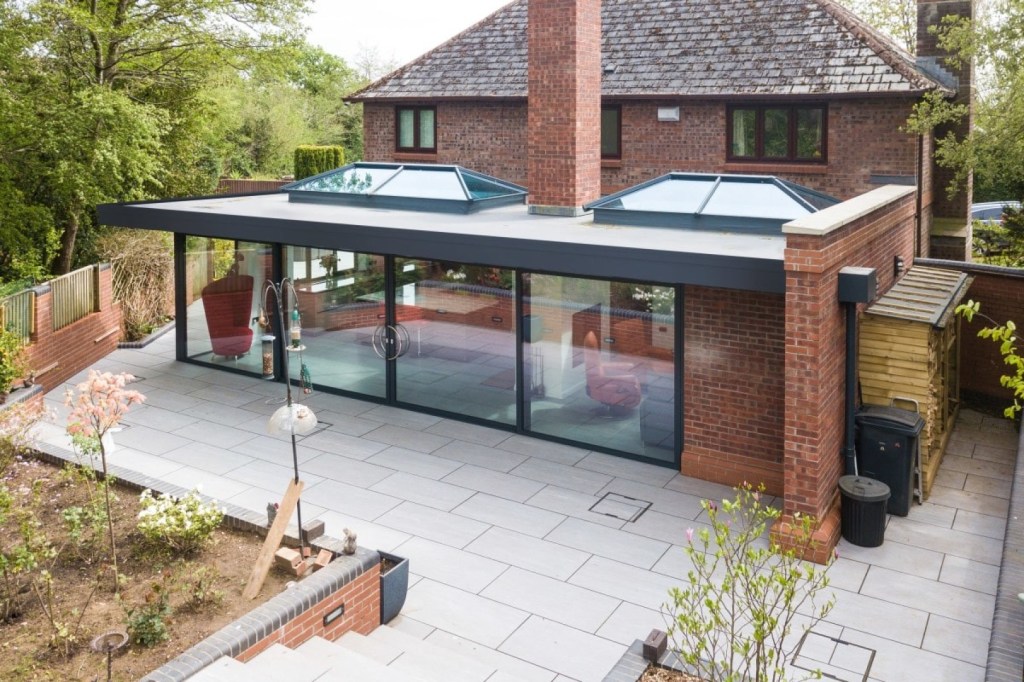
Can I extend my house?

Adding an extension to your house can add value and create much needed space. In most cases, having an extension or addition to the house is classed as a “permitted development,” so it wouldn’t require planning permission (a prior-notification form may be required).

Read on to see when you may need planning permission. While the below list is not exhaustive, you should always seek the guidance of a planning consultant or planning officer in your local authority.

When is Planning Permission required?

Your project will not fall under permitted development and will require planning consent if the following applies:

  • The size of the extension is more than half the area of land around the “original house”. 
  • The extension is taller than the tallest or highest part of the roof. 
  • If it is a single-storey rear extension, it extends beyond the rear wall of the house by more than three metres in a semi-detached house, or by four metres in a detached house.
  • The maximum height of a single-storey rear extension will be more than four metres.
  • If an extension of more than one storey extends beyond the rear wall of the house by over three metres. 
  • The maximum eaves and ridge height of the extension will be higher than the existing house.
  • If you want to use different materials, i.e. looks different in appearance to the existing house. 

How we can help

If you are looking to extend your property then it is vital to consult the experts to assess whether you need planning permission. 

Contact us and we can help with all the matters for you extension

How far can I extend without Planning Permission?

You can build an extension without planning permission up to six metres (or eight metres if your house is detached). But it is worth considering the following before extending the property:

Property type:

If you live in a flat, maisonette, or another type of building, you do not have permitted development rights. This means you cannot build an extension without full planning permission. And if your property has undergone a change of use or was converted into a house, permitted development rights may not be allowed.

Has the property already been extended?

If the property has been extended after 1948 then you may need planning permission or your permitted development allowance will have been reduced.

Is your property Listed or on Designated Land?

If it is in a ‘protected’ area, such as a conservation area, national park, or areas of outstanding natural beauty, the permitted development rights might even have been removed. But even if the rights have been restricted rather than removed, this means you cannot build more than one storey, build a side extension, or clad the exterior.

How to build a house in your garden

CAN YOU BUILD A HOUSE IN YOUR GARDEN?

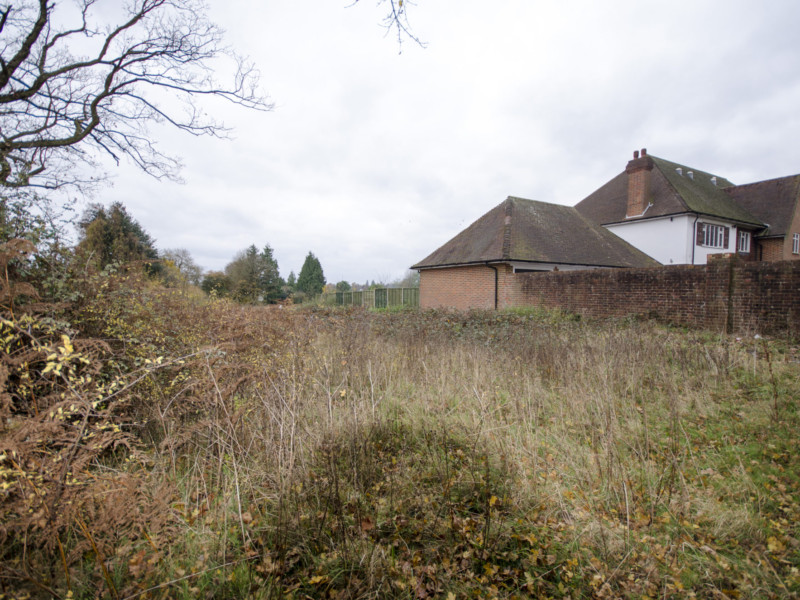
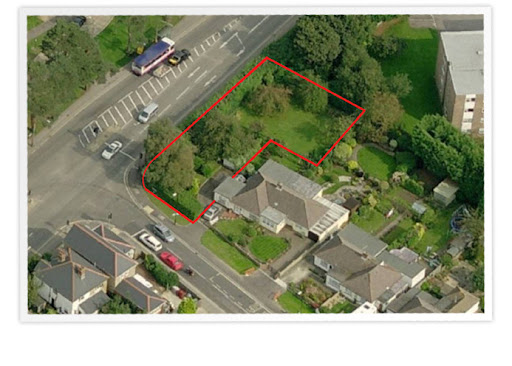
If you have a large garden (or driveway) that’s accessible directly from the road, it can provide a fantastic development opportunity to build a house on your land.

WHERE TO START?

Before you spend anything on the planning phase, it’s important to get a clear understanding of what the process will be to build a house in your garden and any potential risks. It is important to contact a professional as early on in the process as possible.

Hestia Town Planning would begin by undertaking a ‘feasibility study’ and would look at any hurdles as part of this process. Common areas to research as part of this study include:

  • Planning policy. Firstly, check the Local Authorities Development Plan for any policy on backland or infill development. Are you in the countryside and/or part of a conservation area? These areas can be more difficult to get through planning.
  • Over intensification and access. Is there enough space and access to allow you to build on your garden?
  • Privacy and lighting. Would there be privacy issues for either your existing house or the new one?
  • Will the existing property’s value be diminished significantly?


COVENANTS

Covenants are restrictions placed on your land that can prevent you from developing it in a certain way. Even if you get planning permission to build a house in your garden, the covenant would override this, so it’s well worth checking your title on Land Registry (or Registers of Scotland) before anything else.

If there is a restrictive covenant, it may be possible to get it removed, especially if the beneficiary (ie the party that benefits from the restriction) no longer exists. For this you would need to contact a solicitor.

If you are thinking of developing your garden, then contact us for more information and advice.

Heritage

Heritage Statements

A Heritage Statement is required for all applications affecting Listed Buildings, unlisted buildings in conservation areas, or ‘locally listed’ buildings, or projects affecting known archaeological or certain other sensitive locations. A Heritage Statement is also required for applications affecting the setting of any of the above.

Listed building consent

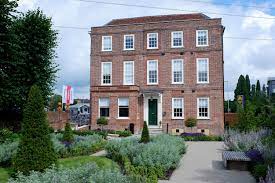
If you live in a listed building, then most work to it will need consent. It is important that you contact a professional before you start any work.

In brief, you will not be permitted to demolish a listed building, or make changes which:

  • Harm or change the special character of the building
  • Affect the strength and stability of the building.

When a building is listed the whole of it is protected, inside and out. Outbuildings and boundary walls are normally also protected by the listing. 

Work that will need to be agreed includes:

  • Changing windows and doors
  • Painting over brickwork or removing surfaces outside
  • Putting in dormer windows or rooflights
  • Putting up aerials, satellite dishes or burglar alarms
  • Changing roofing materials
  • Moving or removing walls inside the building
  • Making new doorways
  • Removing or changing fireplaces, panelling or staircases.

Note that work not included in this list may also need consent. 


How we can help

If you are applying for consent for work to a Listed Building or a property in a Conservation Area, or doing so on behalf of a client, then we can provide a Heritage Statement, which will be essential for your application.

Our Heritage Statements detail how a development will impact on a ‘Heritage Asset’, with reference to relevant local, national and regional planning policies. Applications for demolition within conservation areas should also include the supporting evidence and justification required by para 133 of the National Planning Policy Framework (NPPF).

Listed building consent is different from planning permission, but the application process is much the same. You may also need planning permission to carry out works.

Hestia Town Planning has considerable experience in preparing these statements for all types of applicants, including architects and other agents.

Our Joint Venture Scheme

Talk to us about our Joint Venture Scheme

The planning system can be a slow, expensive and risky business. One option open to landowners, as an alternative to self-funding a development, is to work in a Joint Venture, where capital risk is shared with Hestia Town Planning.

If you have a building or land, but are unable to finance the development, then contact us to discuss how we may be able to help.

Our Joint Venture Scheme allows you to turn your vision into a reality whilst sharing the risk and getting the best professional support every step of the way.

How it works

It is simple – We will invest money into your Scheme and help you through the planning maze right up to the development of your scheme. Many site owners opt for this option as it means that they make a profit from their site, whilst sharing the risk and leaving us to do all the hard work. Our fee will then be based on the uplift on the site value. When working with landowners, Hestia Town Planning will put together a set of proposals that balances both the risks and rewards between the two parties.

Any fees can be paid once the land is sold or the first unit is occupied to assist in cash flow.

Thinking of Selling your Site?

If you own a building or land and are thinking of selling, then we may be able to help you by purchasing your site. You’ll avoid expensive estate agent fees and our experienced consultants will ensure that the transfer runs as smooth as possible.

We are interested in sites of all use classes and sizes.

Please get in touch with some basic information and we may be able to make you an offer.

This image has an empty alt attribute; its file name is hospital.jpg

Has your planning application been refused?

Don’t give up.

Hestia Planning will look for weaknesses within the refusal or strengths in your application that need to be better highlighted and pull together a case to support your application.

Around 70,000 planning applications are refused in England & Wales every year. Only 20% of those decisions are appealed – most people just give up.

We understand that a refused planning application can leave you feeling frustrated. A planning appeal is your one opportunity to completely over-turn the Councils refusal and gain planning permission, irrespective of what the Council think should happen.

What can you appeal against?

An appeal can be submitted by an applicant in respect of the majority of planning related decisions made by a local planning authority, this includes:

  • Planning applications for development
  • Applications for consent to display advertisements
  • Applications for works to listed buildings
  • Applications for works in conservation areas
  • Application for certificate of lawful use or development
  • Applications for works to trees covered by a tree protection order
  • Against an enforcement notice requiring remediation of a breach of planning control

There are a three variations of planning appeal: Written representations, hearings and public inquiries.

The most common appeal is a written representation appeal, however we will assess the planning application and advise on the type of appeal required for the best chance of success.


How we can help

Hestia Planning has wide-ranging expertise in the planning inspectorate appeals and drafting grounds of appeal statements. Our experienced RTPI Consultants will prepare your statements with the assistance of other professional consultants where necessary.

Get in touch with a certified RTPI consultant on 07463136687 or email hestia.planning@outlook.com

Advice on your Refusal

Are you unsure whether an appeal might succeed and would like one of our consultants to take a look at the Council’s decision?

For a fee of £99, Hestia Planning will look at your plans, some satellite images of your property and the surrounding area and all of the details of the council’s decision. We will then provide you with a written opinion of whether the decision was justified.

Talk to us about our case review service.

How long does it take to get Planning Permission?

You have decided on your project, you have the funds in place and you have sourced your builders – you are ready to go! However it then comes to light that you will need planning permission, putting a spanner in the works.

This blog aims to discuss how long it could take to receive that all important planning consent and what Hestia Town Planning can do to help things run as smooth as possible.

How long will it take you to get planning permission?

It usually takes 8 weeks or less for planning departments to give a decision on the majority of planning applications, especially if they are straightforward and small-scale.

If your application is for a bigger or complicated scope, their goal will to process it within 13 weeks – subject to your agreement. if your application is subject to an Environmental Impact Assessment then it will take 16 weeks.

It is important to note that your 8 or 13 week deadline will begin at the point you submit a valid application (read further for more information on validation).

However, councils do vary, especially if they are understaffed with a sizeable workload. Whilst there are penalties for councils if they go over these limits, this is often the case.

If you have Hestia Town Planning acting as your agent, we can chase the planning officers and hold them accountable to the deadline.


What other time frames are involved in Planning Applications?

The above gives a good overview on general planning submission time frames, however it is also important to factor in other potential time frames.

Preparing your Application

Prior to your submission, you will need to prepare the application. This is easiest if the drawings are done by a professional architect and the application submission is prepared by a planning consultant.

Preparing an application varies and is dependent on the complexity of the scheme, however, for straightforward applications, preparation could take about 4 weeks, including the technical survey and consultation. Together with the basic council process, it takes the best part of 3 months.

Pre-planning applications

Pre-planning applications can add up to 6 weeks to the process, depending on the availability of the planning department. These meetings are not always necessary and Hestia Town Planning can advise you whether your project needs one.

What is a valid planning application?

Local Planning Authorities have very strict application requirements and if these are not met, then your application will not be validated until the correct information is submitted. The reasons for an invalid application vary, however usually, the reason is down to missing or incorrect information.

Over 50% of planning applications are declared as invalid each year.

Sometimes an applicant will submit an application only to realise that they require a specialist report (for example a ground contamination assessment) or have missed a drawing.

These little surprises can cause big delays and can have cost implications if the Applicant has not factored in these additional costs.

Hestia Town Planning will ensure that the correct information is submitted first time to prevent your planning application being declared invalid.


Minor amendments

Sometimes, you may need to amend your application after it has been submitted. Minor amendments to main planning applications might take a few days, depending on the speed of your architect and the efficiency of the planning department.

Consultation

Once your application is validated, the Planning Department will consult with a number of interested parties. Delays can be caused, especially if an interested party has objected and further information is required in order for the application to proceed.

If you think you may need planning permission, then get in touch with Hestia Town Planning for a discussion about how we can help.

How does a new housing development affect school places?

We had a query in the week from a concerned parent, seeking advice on how a new housing scheme could impact on her child’s favoured school place.

In this particular case, there is a housing scheme underway for 450 dwellings. The parents’ concern is that the housing scheme lies closer to her favoured school, meaning that the newer children will get first choice of the “better” school.

Prior to the development, the chances of her child being offered a place were quite certain, however, the housing development and potential increase of children has now made these chances more uncertain.

This blog aims to discuss how housing developments may affect school places and what you can do to help influence school capacity.

Can I object to the development if I think there are not enough school places?

In short, if the Developer can provide mitigation for lack of school places , then the Council is unlikely to refuse the application on educational grounds.

You would need to show the Council that the Developers calculations are incorrect and/or that the additional places can not be provided.

There are not enough school places so why are housing schemes permitted?

When a developer submits an application for a large housing scheme, the Developer and Council will estimate how many children the development will generate. If we use a secondary school as an example, in the case of 450 houses, it is likely that the scheme could generate an additional 90+ children (note – these will not all be year 7).

The Developer will then need to show the Council that there is sufficient capacity within local secondary schools to accommodate this increase. More often than not, schools will be oversubscribed and the Developer will need to provide some kind of mitigation (usually through a Community Infrastructure Levy or Section 106 Agreement). Mitigation varies, however usually the Developer will be required to pay local schools a levy to expand the size of their school and intake. In some cases, if the local schools have no room to expand then Developer will have to build or fund a new school to cover the increase in children.

The main point here is that a developer will usually find a way – whether through funding or provision of a new school.

The children in the new housing development now live closer to my first choice school and I am not sure if I will be offered a place.

Usually, a school will offer places based on catchment and proximity. Unfortunately, this means that children living closer to the school will get first refusal and you may be offered the next closest school with available places. Therefore you want to ensure that your favoured school has as many places as possible.

So what can you do?

Unfortunately, many people waste their time and consultation voices by simply objecting to a scheme on lack of education provision.

Developers will most likely find a way to provide education facilities. Therefore, you are far better trying to use your voice to influence where and how the Developer is going to fund schools, rather than trying to put a stop to the entire scheme.

There are a couple of ways in which you may be able to influence your favoured school intake – however timing is key.

Firstly, does your school have the room for expansion? If so, speak with your education department at the County Council and try to get their support. The Education Department will be responsible for advising the Developer which schools require expanding – so you want to make sure your chosen school is being pushed for funding.

If the application has already been submitted to the Council for consideration, then read the documents that have been submitted to support the scheme. In particular, look for any reference to education and school capacity. What is the Developer proposing to do about education? Do you agree with the information provided?

Pull together any information you have and use your 21 day consultation period as a way to tell the Council that you want the Developer to fund the expansion of your favoured school. Try to give valid reasons and make a strong case.

If the application hasn’t been submitted then try to influence funding via the Community Infrastructure Levy. Every Council must produce publish a list of infrastructure projects, which are taken from the Infrastructure Delivery Plan. This is where the Community Infrastructure Levy will be spent.

If you know that your school is over-capacity and there is development being planned in your area, then contact both the Local and County Councils to push for funds to be spend on your favoured school.

If you can get your school listed for expansion in the Infrastructure Delivery Plan, then this means that money will be used from development in the area to fund it.

If you need further information or help writing a consultation response, then get in touch.

Call 07463136687 or email: hestia.planning@outlook.com