We had a question this week relating to bats. In this instance, it was in relation to how a bat may impact on a proposed loft conversion, however, those who have other outdoor structures on their property, such as a shed or a garage, are also susceptible to a bat infestation.
So, will the presence of bats put a stop to your building plans?
The short answer to this question is – usually – no. However, discovering bats will cause some delays and incur additional costs.
If you’re worried that bats may impact your building work then please contact us and we can put you in contact with a professional ecologist and advise you on the best way forward for your loft conversion or building works.
Why are bats important?
Whether you love or loathe bats (personally we find them cute!), they are one of the protected species listed under the Wildlife and Countryside Act 1981, which means you can’t:
Kill, injure, or remove a bat;
Own or control a living or dead bat, or anything derived from a bat;
Intentionally or recklessly damage, destroy, or obstruct access to any area used as shelter or protection by a bat, for example, build a loft conversion where they roost;
Intentionally or recklessly disturb a bat when it’s occupying a structure or place i.e. a loft space or garage.
I think I have bats, what should I do?
If you suspect have bats, you should consider commissioning a bat survey before you apply for planning permission for any proposed building work. You will need to consult your local planning officer about how you will conserve or rehome the bat colony.
Also note, that a bat survey will be required if there is ‘a reasonable likelihood’ of bats being present. This means that even if you do not suspect bats – if your building has certain characteristics (for example, is agricultural or within 400m of water), the local authority will want to rule out the presence of bats.
Do not try you deter the bats away from your property. Many of the tactics used by the average homeowner only serve to make the bats angrier and cause them to dig in their heels, so it is important to always consult a professional.
Do you definitely have bats?
If you think that you may have bats then under no circumstances try to investigate yourself. Only a fully trained and licensed professional can conduct a bat survey. If you do try to investigate yourself, then you could be committing an offence by disturbing the bats.
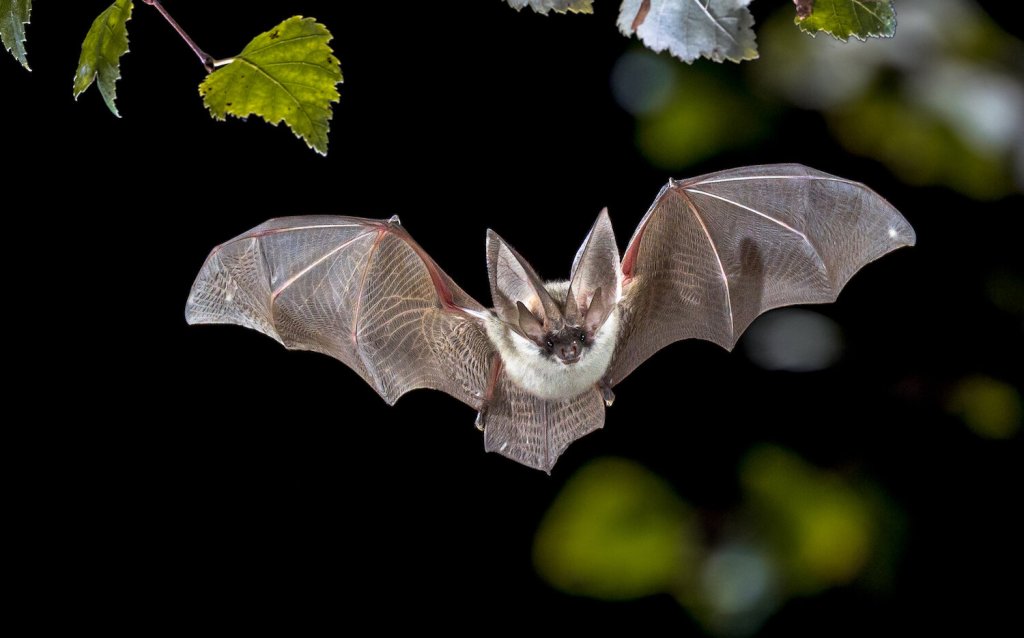
Unlike other animals, bats are a little harder to identify as they do not leave many obvious clues. If you suspect a bat, then look and listen for the following clues:
- A regular ‘chattering’ or noise around dusk;
- Sightings of bats (dead or alive);
- The scent of ammonia or unexplained odours;
- Stained holes (Once they have pinpointed an enter/exit point, the hole will become stained with black resin);
- Bat droppings in your loft;
- The remnants of dead insects (bats don’t tend to eat the wings)
- Scratch marks near entry points
What will the bat survey involve?
Bat surveys cost in the region of £1000 and only be carried out between May and October (when they are not in hibernation). The local planning authority will only accept surveys conducted by a licensed professional.
There are two stages to bat surveys; first the preliminary survey to assess the likelihood of bats being present. If this survey does not conclusively rule out the presence of bats then a second, full survey will be required.
My survey has concluded that I have bats. What happens now?
Don’t panic. A professional will be able to advise whether it is possible to rehome the bats. This will involve applying for a mitigation licence, setting out what building work you plan to carry out and how you will protect the bats in the process. Once the local planning authority are given the thumbs by Natural England, that your proposed mitigated measures are acceptable, then you are good to go (subject to your other planning regulations of course).
 Hestia Town Planning